
 Language
 English
 português
 Español
 Русский язык
 بالعربية
 Français
 Deutsch
 italiano
 Türkçe
 คนไทย
คนไทย
 日本語
日本語
 한국어
한국어
 Tiếng Việt
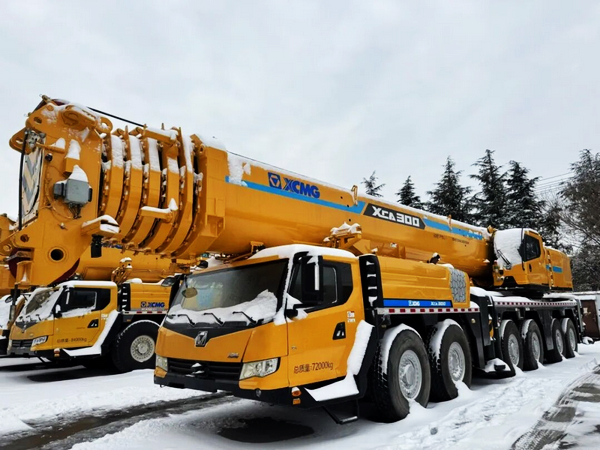
Enhancing Crane Safety Management in Snow and Severe Weather Conditions
Weather-related risk control remains the first line of defense. During snowstorms, icy conditions, thunderstorms, or lightning, lifting operations should be suspended. When wind speed exceeds 4 m/s, structural stress-related lifting activities must not be conducted. If wind speed exceeds 8.3 m/s, operations are not recommended, and the crane boom must be fully retracted. In low temperature environments, frozen ground may reduce bearing capacity, making comprehensive site evaluation essential before commencing work.
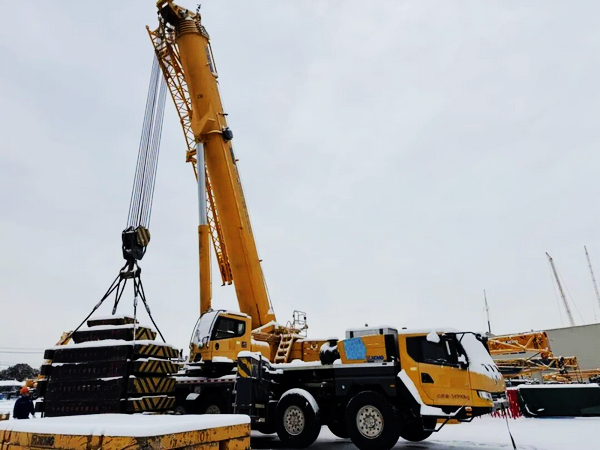
Beyond weather factors, on-site management plays a decisive role in preventing accidents. Lifting operations without a formal lifting plan, unclear load weight, insufficient lighting, unstable ground conditions, or the absence of a qualified signalman are strictly prohibited. Clear communication, accurate load verification, and professional coordination are fundamental requirements for ensuring safe and orderly operations.
In the event of an emergency, personnel safety must always take priority. Immediate evacuation and establishment of warning zones are critical. Emergency services and insurance providers should be notified promptly, and the accident scene must be preserved for proper investigation and legal handling. Strengthening preventive management, standardizing operating procedures, and enhancing emergency response capabilities are essential measures to safeguard both personnel and equipment during winter construction activities.